
There is a profound comfort in the idea of home, a sanctuary built not just of wood and stone, but of dreams and enduring security. It is the steady anchor in a world of flux, a place where futures are nurtured and memories forged. Yet, even this most fundamental sense of stability is now being subtly, yet profoundly, eroded by forces beyond our immediate control. The creeping shadow of environmental transformation, often referred to as climate change, is increasingly manifesting its impact on home insurance premiums, challenging our assumptions about risk and the very cost of protection.
For generations, the cost of safeguarding our abodes against the caprices of nature was a predictable line item, calculated on historical averages and well-understood perils. But the tapestry of our climate is unraveling, reweaving itself into patterns of unpredictability. This shift is not merely an academic concern; it translates directly into the financial calculus of homeowner policies, demanding a deeper introspection into how we value and insure our most cherished assets. Understanding these evolving dynamics is no longer optional; it is essential for every homeowner.
The Shifting Sands Beneath Our Homes: Understanding Climate Risk
Our planet’s delicate balance is undergoing a profound recalibration, marked by a palpable increase in the frequency and intensity of extreme weather events. What once seemed like a rare anomaly now often feels like a recurring specter. This new reality compels insurance providers to fundamentally reassess their risk models, moving beyond historical data to embrace more sophisticated predictive analytics.
The traditional actuarial science, rooted in past patterns, finds itself grappling with a future that deviates sharply from the past. Insurers are no longer just looking at what *has* happened, but what *might* happen with increasing probability. This forward-looking approach is a direct response to the undeniable shifts in global weather patterns, which are now inextricably linked to the rising cost of homeowner protection.
A Symphony of Rising Waters: Flooding and Insurance Premiums
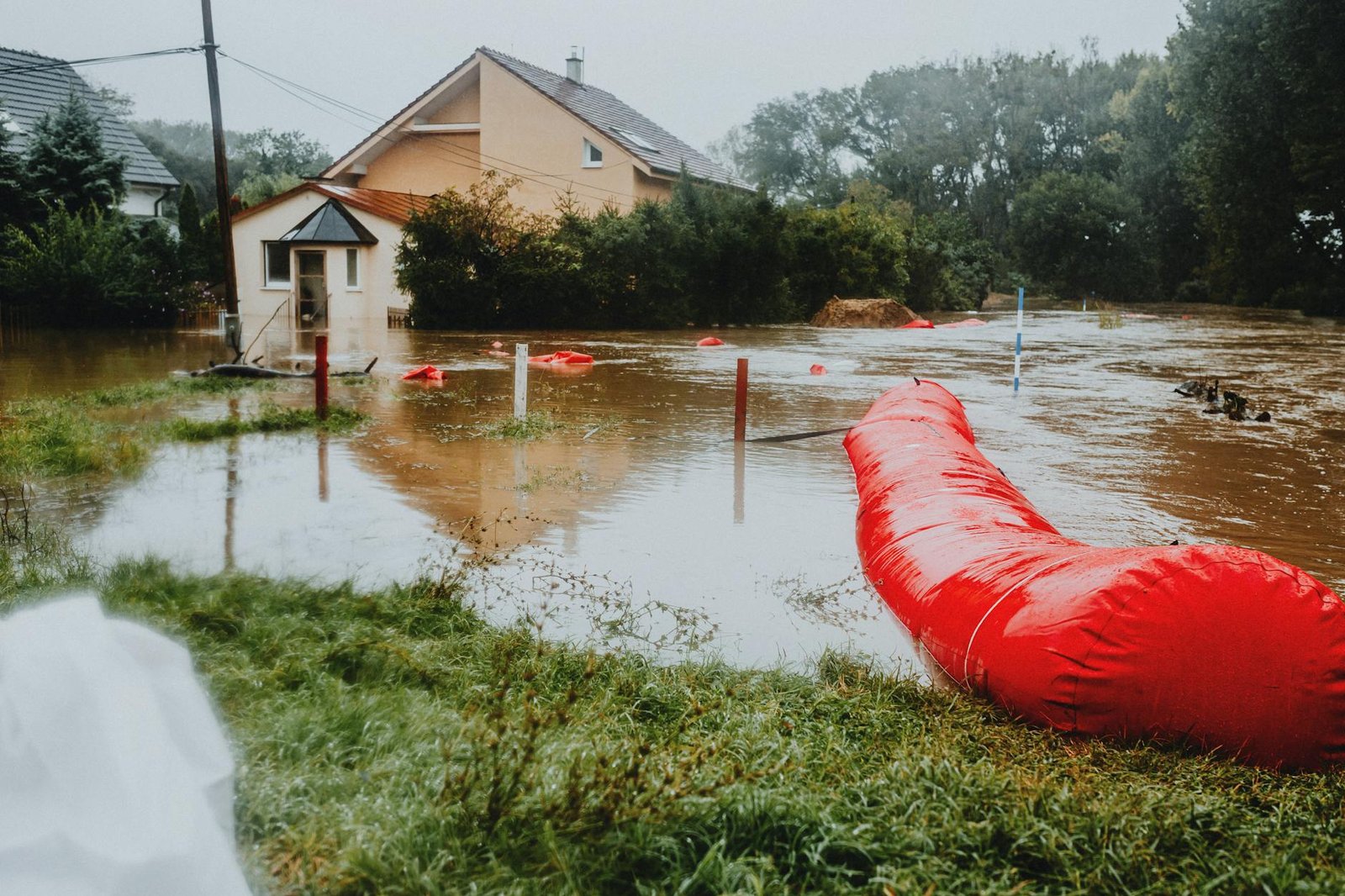
The ancient rhythm of rivers and oceans is being disrupted, leading to a relentless surge in flood events across regions once considered safe. From torrential downpours overwhelming urban drainage systems to coastal inundation driven by rising sea levels and storm surges, water is reclaiming its dominion with increasing force. This heightened vulnerability is a primary driver behind the escalating expenses associated with flood insurance and, indirectly, standard home insurance.
Insurers are meticulously re-evaluating flood plain maps and adjusting their exposure limits, often leading to stark choices for homeowners. Some policies now carry higher deductibles for flood damage, while others face non-renewal or outright withdrawal of coverage in high-risk zones. The very definition of a “flood zone” is expanding, drawing more properties into a category that demands more expensive or specialized coverage, reflecting the severe financial strain imposed by water-related catastrophes.
Whispers of Fire: Wildfires and the Cost of Protection
Across vast stretches of the globe, particularly in arid and semi-arid regions, the threat of wildfires has grown into a formidable and terrifying reality. Longer, hotter dry seasons, coupled with human encroachment into wildland-urban interface (WUI) areas, create a volatile landscape where a single spark can ignite widespread devastation. For homeowners residing in these vulnerable areas, the cost of insurance has become a burning issue.
The increasing frequency and sheer scale of these infernos have forced insurers to re-evaluate their portfolios with grim precision. Many companies are now imposing stricter underwriting criteria, increasing premiums dramatically, or even refusing to offer coverage in areas deemed too high-risk. This leaves many homeowners in a precarious position, grappling with the emotional toll of living with perpetual threat and the financial burden of securing adequate, if any, protection.
The Tempest’s Fury: Hurricanes, Storms, and Homeowner Policies
The raw power of the wind and rain, unleashed in the form of hurricanes, cyclones, and severe thunderstorms, appears to be intensifying. Warmer ocean waters provide more fuel for these colossal weather systems, leading to stronger winds, heavier rainfall, and more destructive storm surges. Coastal communities, in particular, bear the brunt of this escalating ferocity, but inland areas are not immune to the widespread damage caused by straight-line winds, hail, and tornadoes.
For insurers, these catastrophic events represent immense financial losses, pushing them to adjust their pricing models to account for the heightened risk. Homeowners in storm-prone regions often find themselves facing significantly higher premiums, larger deductibles for wind and hail damage, and sometimes even separate policies for specific perils. The very architecture of homeowner protection is adapting to a world where the skies are becoming increasingly volatile.
Beyond the Obvious: Indirect Climate Impacts on Insurance
The ramifications of a changing climate extend far beyond the immediate damage inflicted by a storm or fire; they ripple through the entire economic ecosystem, indirectly influencing insurance costs. Supply chain disruptions, for instance, can inflate the cost of building materials and labor after a disaster, making repairs significantly more expensive. This elevated cost of rebuilding directly translates into higher premiums for all policyholders, as insurers must factor in these increased expenses.
Furthermore, the demand for more resilient building practices and materials — such as elevated foundations, impact-resistant windows, or fire-resistant landscaping — also contributes to the overall expense of homeownership and, consequently, the cost of insurance. The interconnectedness of our global economy means that a climate event in one region can have far-reaching financial consequences, ultimately affecting the actuarial calculations that determine policy prices everywhere.
Actuarial Alchemy: How Insurers Calculate the New Normal
The once predictable science of risk assessment is undergoing a profound transformation. Insurers are no longer solely reliant on historical claims data, which offers a rearview mirror perspective on risk. Instead, they are increasingly employing sophisticated climate models, satellite imagery, artificial intelligence, and advanced meteorological projections to forecast future perils with greater accuracy. This shift from retrospective analysis to predictive analytics is at the heart of the evolving insurance landscape.
These complex algorithms now incorporate factors like sea-level rise projections, changing precipitation patterns, and future wildfire spread potential into their premium calculations. The goal is to price policies more precisely to reflect actual, anticipated risk, ensuring the solvency of the insurance pool. This precision, while financially sound for insurers, often translates into significantly higher costs for homeowners in areas identified as increasingly vulnerable, creating a challenging dilemma for affordability and access to coverage.
Navigating the Storm: Strategies for Homeowners
In this era of shifting climate risks and evolving insurance landscapes, homeowners are not without agency. The first step lies in a deep understanding of your current policy: what it covers, what it excludes, and its specific deductibles for various perils. Engaging with an independent insurance agent can provide invaluable guidance, as they can often compare multiple providers and help tailor coverage to your unique circumstances and local risks.
Proactive mitigation is another powerful tool. Investing in home hardening measures, such as elevating foundations in flood zones, installing impact-resistant windows, or creating defensible space around properties in wildfire-prone areas, can not only reduce damage but may also qualify for discounts. Furthermore, advocating for community-level resilience — through improved infrastructure, better land-use planning, and early warning systems — can create a collective buffer against the broader impacts of climate change, fostering a shared sense of security in an uncertain future.
The evolving relationship between our climate and the cost of protecting our homes is a complex tapestry, woven with threads of scientific data, economic realities, and deeply personal anxieties. It demands not just an “understanding of the numbers, but a reflection on our shared responsibility and collective capacity to adapt. By embracing knowledge, fostering resilience within our communities, and making informed choices about our properties, we can begin to chart a more secure path forward. The future of our homes, and the peace of mind they represent, hinges on our willingness to confront these challenging currents and build a more enduring foundation for tomorrow.